Featured

Our Ways Legitimate Providers Uphold Professional Standards Statements
Table of Contents
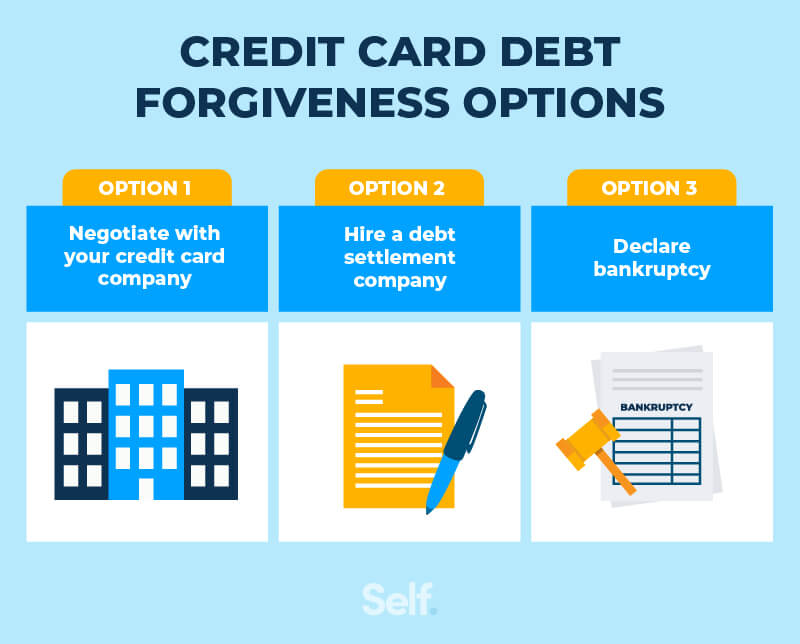
That frees up cash in the short-term, and you might have 3 to 4 years to conserve towards the negotiation amount. Really unsafe to debt ratings, mostly due to missed out on settlements and an adverse "resolved" mark that might remain on your credit scores record for as much as 7 yearsMay be only option if various other options (financial debt combination, balance transfer bank card, debt mercy) aren't possibleTypically requires a charge to the 3rd party, which might balance out some or all of the cost savings from financial debt settlementMay aid you avoid bankruptcy if you have actually missed numerous paymentsNot all creditors collaborate with debt settlement companies Financial debt mercy might be right for you if you are experiencing an economic challenge that makes it almost difficult to pay for your debt balances.
With a DMP, you make one month-to-month payment to the credit report counseling firm. Those funds are after that dispersed to creditors of your unsecured financial debts, such as charge card and installment lendings. The firm collaborates with your creditors to reduce rate of interest or forgo charges, but some lenders may decline such concessions.
It can assist you pay down financial obligation if you're able to secure a car loan price that's reduced than the average price of the accounts you're consolidating. You must abstain from racking up financial debt on those recently gotten rid of accounts or your debt might expand also greater.

These cards frequently provide a 0% rate of interest introductory duration of up to 21 months. That offers you lots of time to get rid of or considerably minimize your balance while making interest-free payments. For some people dealing with overwhelming debt, personal bankruptcy might be the only way to stop collection proceedings and lawfully fix their financial obligations.
The 45-Second Trick For Prevalent False Beliefs Regarding Dating and Debt: How Financial Health Impacts Modern Relationships : APFSC
You may require it if your creditor or a debt collector ever before tries to gather on the financial obligation in the future. The letter can verify you do not owe what the debt collector's records show. Yes, for the most part, the IRS thinks about forgiven debt as gross income. When a loan provider forgives $600 or even more, they are needed to send you Type 1099-C.
Financial debt forgiveness or negotiation often hurts your credit scores. Anytime you resolve a financial obligation for less than you owe, it might show up as "cleared up" on your credit scores record and influence your credit rating for seven years from the day of negotiation. Your credit report can also drop substantially in the months bring about the forgiveness if you drop behind on settlements.
Some Ideas on Understanding Debt Relief Options in Today's Economy You Should Know
Tax financial debt concession programs Tax debt happens when the amount of taxes you owe exceeds what you have actually paid. This scenario frequently results from underreporting revenue, not submitting returns on schedule, or inconsistencies located during an internal revenue service audit. The effects of building up tax financial obligation are major and can include tax liens, which offer the IRS a legal case to your home as safety for the debt.
Greater interest prices on available credit scores. Earnings and Bank Accounts internal revenue service can levy (confiscate) incomes and financial institution accounts to satisfy the financial debt. Minimized earnings and interruption of important financial processes. Building Seizure In severe instances, the IRS can seize and market home to cover the debt. Loss of valuable properties and possible variation.
Social Preconception Dealing with lawful action from the IRS can bring social preconception. Employment Opportunities A poor credit rating score due to strain financial obligation can limit employment possibilities. Government Advantages Tax obligation financial debt might affect eligibility for federal government benefits, such as Social Safety And Security and Medicaid.
Not known Incorrect Statements About Extended Assistance Including Peer Resources
The OIC considers numerous factors, consisting of the taxpayer's earnings, expenses, property equity, and capacity to pay. Efficiently bargaining an OIC can be complex, calling for a comprehensive understanding of the internal revenue service's standards and a strong disagreement for why your deal straightens with your capability to pay. It is necessary to note that not all applications are accepted, and the procedure needs comprehensive financial disclosure.
The internal revenue service examines your total monetary scenario, including your revenue, expenditures, property equity, and capacity to pay. You must likewise be present with all declaring and payment requirements and not remain in an open bankruptcy case. The IRS also considers your compliance history, reviewing whether you have a record of timely filing and paying taxes in previous years.
Not known Details About Consumer Protections When Undergoing Dating and Debt: How Financial Health Impacts Modern Relationships : APFSC
The application process for an Offer in Compromise involves numerous in-depth steps. Initially, you should complete and submit IRS Form 656, the Deal in Concession application, and Form 433-A (OIC), a collection info statement for individuals. These kinds need detailed financial details, including information concerning your earnings, financial debts, costs, and properties.
Back tax obligations, which are overdue tax obligations from previous years, can significantly boost your total IRS debt if not attended to without delay. This financial debt can build up rate of interest and late repayment penalties, making the original amount owed much bigger gradually. Failure to pay back taxes can cause the internal revenue service taking enforcement activities, such as providing a tax obligation lien or levy against your building.
It is essential to deal with back taxes as soon as possible, either by paying the full quantity owed or by preparing a layaway plan with the internal revenue service. By taking aggressive actions, you can avoid the buildup of additional rate of interest and charges, and protect against much more aggressive collection activities by the IRS.
One typical reason is the belief that the taxpayer can pay the total either as a round figure or via a layaway plan. The internal revenue service also thinks about the taxpayer's revenue, expenses, possession equity, and future earning capacity. If these aspects show that the taxpayer can afford to pay greater than the offered quantity, the IRS is likely to decline the offer.
The Definitive Guide for What Debt Counseling Generally Cost
Dealing with IRS debt can be intricate and overwhelming. Tax experts, such as CPAs, tax obligation attorneys, or signed up agents, can offer indispensable aid.

Table of Contents
Latest Posts

Top Guidelines Of When Bankruptcy Counseling Makes a Difference
The Main Principles Of Is Debt Forgiveness Make Sense for Most People

The 10-Second Trick For Accessing Support Through Certified Counselors
More
Latest Posts
Top Guidelines Of When Bankruptcy Counseling Makes a Difference
The Main Principles Of Is Debt Forgiveness Make Sense for Most People
The 10-Second Trick For Accessing Support Through Certified Counselors