Featured
Table of Contents
That maximizes money in the short term, and you may have three to 4 years to save towards the settlement quantity. Really hazardous to credit rating, mostly as a result of missed repayments and an unfavorable "settled" mark that might remain on your credit record for as much as 7 yearsMay be just choice if other alternatives (financial obligation loan consolidation, balance transfer bank card, financial obligation forgiveness) aren't possibleTypically calls for a fee to the 3rd party, which might balance out some or all of the financial savings from debt settlementMay help you prevent personal bankruptcy if you've missed out on a number of paymentsNot all creditors work with financial obligation settlement business Financial obligation forgiveness might be appropriate for you if you are experiencing a monetary hardship that makes it almost impossible to pay for your financial debt equilibriums.
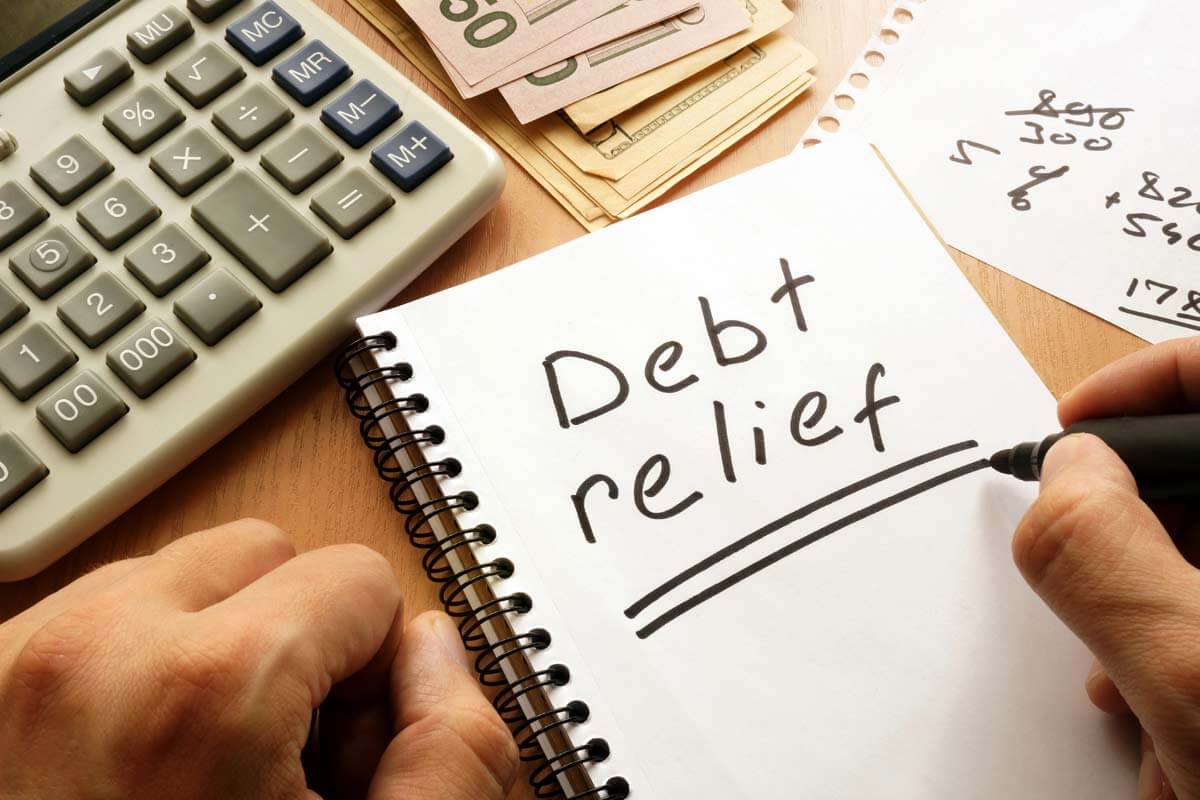
With a DMP, you make one monthly settlement to the debt therapy firm. Those funds are then dispersed to financial institutions of your unprotected debts, such as debt cards and installment financings. The firm works with your creditors to reduce interest rates or waive fees, but some financial institutions might refuse such concessions.
It can aid you pay down debt if you're able to protect a loan rate that's reduced than the average rate of the accounts you're combining. You have to abstain from racking up debt on those recently cleared accounts or your debt could expand also higher.

These cards commonly offer a 0% interest initial duration of as much as 21 months. That offers you lots of time to eliminate or dramatically reduce your equilibrium while making interest-free repayments. For some individuals facing impossible debt, personal bankruptcy might be the only way to stop collection procedures and legally resolve their financial obligations.
The 10-Minute Rule for Understanding Bankruptcy Types and Qualifications
You may require it if your creditor or a debt collection agency ever before tries to accumulate on the debt in the future. The letter can verify you don't owe what the debt collector's documents reveal. Yes, most of the times, the IRS thinks about forgiven debt as taxable income. When a lender forgives $600 or more, they are called for to send you Kind 1099-C.
Debt mercy or negotiation usually harms your credit score. Anytime you work out a debt for less than you owe, it may show up as "settled" on your credit history record and impact your credit rating for 7 years from the date of settlement. Your credit history can likewise drop significantly in the months bring about the forgiveness if you fall back on repayments.
The 4-Minute Rule for Required Records When Pursuing Debt Forgiveness
This situation frequently results from underreporting revenue, not filing returns on time, or discrepancies located throughout an IRS audit. The consequences of collecting tax financial obligation are significant and can include tax obligation liens, which offer the Internal revenue service a lawful case to your residential or commercial property as security for the financial obligation.
Wages and Financial institution Accounts IRS can levy (take) salaries and financial institution accounts to satisfy the debt. Building Seizure In severe instances, the IRS can take and market building to cover the financial obligation.
Social Stigma Facing lawful action from the Internal revenue service can carry social preconception. Employment Opportunities A bad credit history score due to tire financial obligation can limit work chances. Government Benefits Tax financial obligation may impact eligibility for government benefits, such as Social Safety and Medicaid.
The Only Guide for Actual Experiences of People Who Found Relief
The OIC takes into consideration several aspects, consisting of the taxpayer's income, costs, possession equity, and capacity to pay. Successfully working out an OIC can be intricate, calling for an extensive understanding of the IRS's guidelines and a solid argument for why your deal lines up with your capability to pay. It is necessary to note that not all applications are accepted, and the process needs thorough monetary disclosure.
The internal revenue service analyzes your total monetary circumstance, including your income, expenses, property equity, and ability to pay. You have to likewise be present with all filing and settlement needs and not remain in an open insolvency proceeding. The internal revenue service additionally considers your compliance background, reviewing whether you have a document of timely filing and paying taxes in previous years.
The Facts About Unsecured Debt Relief Explained Revealed
The application procedure for a Deal in Compromise involves numerous comprehensive actions. You must finish and send IRS Form 656, the Offer in Compromise application, and Kind 433-A (OIC), a collection information statement for individuals. These types call for thorough economic details, consisting of details about your income, financial obligations, costs, and possessions.
Back taxes, which are unsettled tax obligations from previous years, can substantially boost your total IRS financial obligation otherwise attended to immediately. This financial debt can build up interest and late settlement fines, making the original amount owed a lot bigger over time. Failing to pay back taxes can lead to the internal revenue service taking enforcement actions, such as releasing a tax obligation lien or levy versus your property.
It is very important to address back taxes asap, either by paying the total owed or by setting up a settlement plan with the IRS. By taking aggressive actions, you can stay clear of the buildup of additional interest and fines, and prevent much more aggressive collection actions by the IRS.
One common factor is the idea that the taxpayer can pay the sum total either as a round figure or with a layaway plan. The internal revenue service likewise considers the taxpayer's revenue, expenditures, asset equity, and future earning potential. If these aspects suggest that the taxpayer can afford to pay even more than the offered amount, the internal revenue service is likely to decline the deal.
Student Loan Debt Relief Explained Can Be Fun For Everyone
It is critical to provide accurate and total information in your application and to talk to a tax professional to boost the chances of acceptance. Dealing with IRS financial debt can be complicated and challenging. Tax specialists, such as Certified public accountants, tax lawyers, or registered agents, can supply very useful assistance. They have the know-how to browse the details of tax obligation regulation and internal revenue service procedures.

Table of Contents
Latest Posts
Top Guidelines Of When Bankruptcy Counseling Makes a Difference
The Main Principles Of Is Debt Forgiveness Make Sense for Most People
The 10-Second Trick For Accessing Support Through Certified Counselors
More
Latest Posts
Top Guidelines Of When Bankruptcy Counseling Makes a Difference
The Main Principles Of Is Debt Forgiveness Make Sense for Most People
The 10-Second Trick For Accessing Support Through Certified Counselors